General Precision Engineering
Milling, turning, grinding, spark eroding and micro welding under one roof — for one-off parts, repairs and production runs held to fine tolerances.

7 Molekule Street, Chloorkop Ext 1, Kempton Park
Mon–Thu 05:30–15:30 · Fri 05:30–12:00
060 788 1285
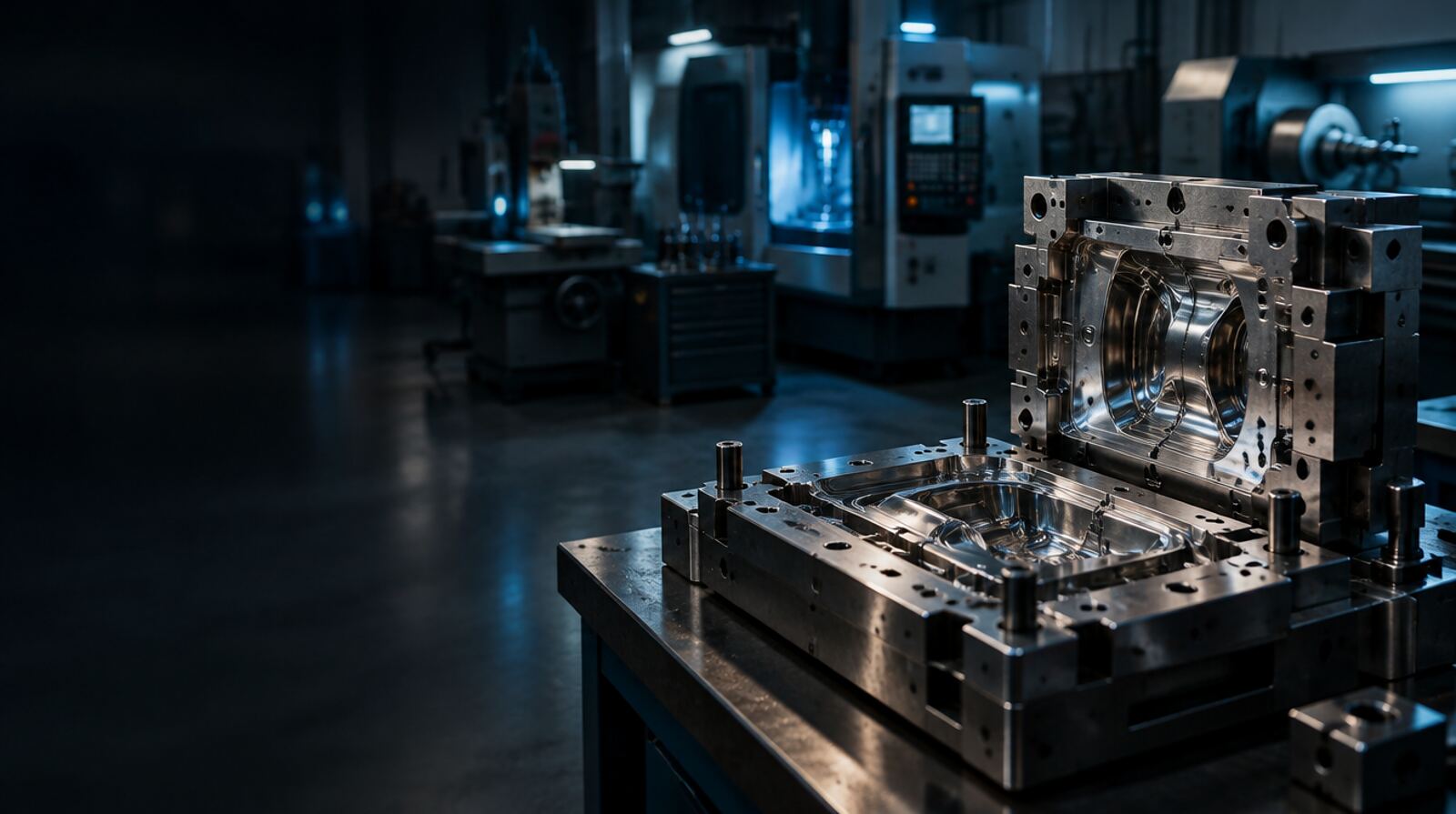
Toolmakers & precision engineers · Kempton Park
General engineering, injection moulds, blow mould repairs, CNC machining, grinding, spark eroding and micro welding — all under one roof in Chloorkop, Kempton Park. Engineered by toolmakers for South African manufacturers who can’t afford downtime.
What we do
Twelve specialised processes in one workshop, so your moulds, dies and components move from design to inspection without leaving our quality control.
Milling, turning, grinding, spark eroding and micro welding under one roof — for one-off parts, repairs and production runs held to fine tolerances.
Production-ready components in small batches or full serialised runs — CNC milled and turned, checked and marked in one workshop.
Prismatic parts, mould plates and production components milled to drawing — from a single prototype to repeat batches.
Shafts, bushes, pins, sleeves, nozzles and blow pins turned on CNC lathes to toolroom tolerances — from one-offs to production batches.
Flat, square and cylindrical surfaces ground to fine tolerances and smooth finishes — including hardened parts after heat treatment.
Complex shapes, detailed cavities and hard-to-machine materials spark eroded with high-quality finishes, tight tolerances and repeatable results.
Complete toolmaking from your first concept and 3D CAD design through to manufacture and sample production — dies, mandrels, blades and precision tool parts.
High-precision injection moulds for packaging, food, paint and engineering parts — designed, built and maintained in one toolroom.
Repair, refurbishment and preventive maintenance for all types of blow moulds — plus new neck inserts, blow pins and spares made to order.
Worn and damaged injection moulds stripped, repaired, re-polished and set up to run again — whoever built them.
Parts and tooling designed in 3D CAD, reverse engineered from worn samples and developed into drawings that are ready for manufacture.
Small, precise welds that rebuild damaged edges, parting lines and shut-offs on moulds, dies and precision parts — then re-machined to original geometry.
In-house laser engraving of serial numbers, part numbers, logos and QR codes on metal parts — flat or cylindrical, single parts or batches.
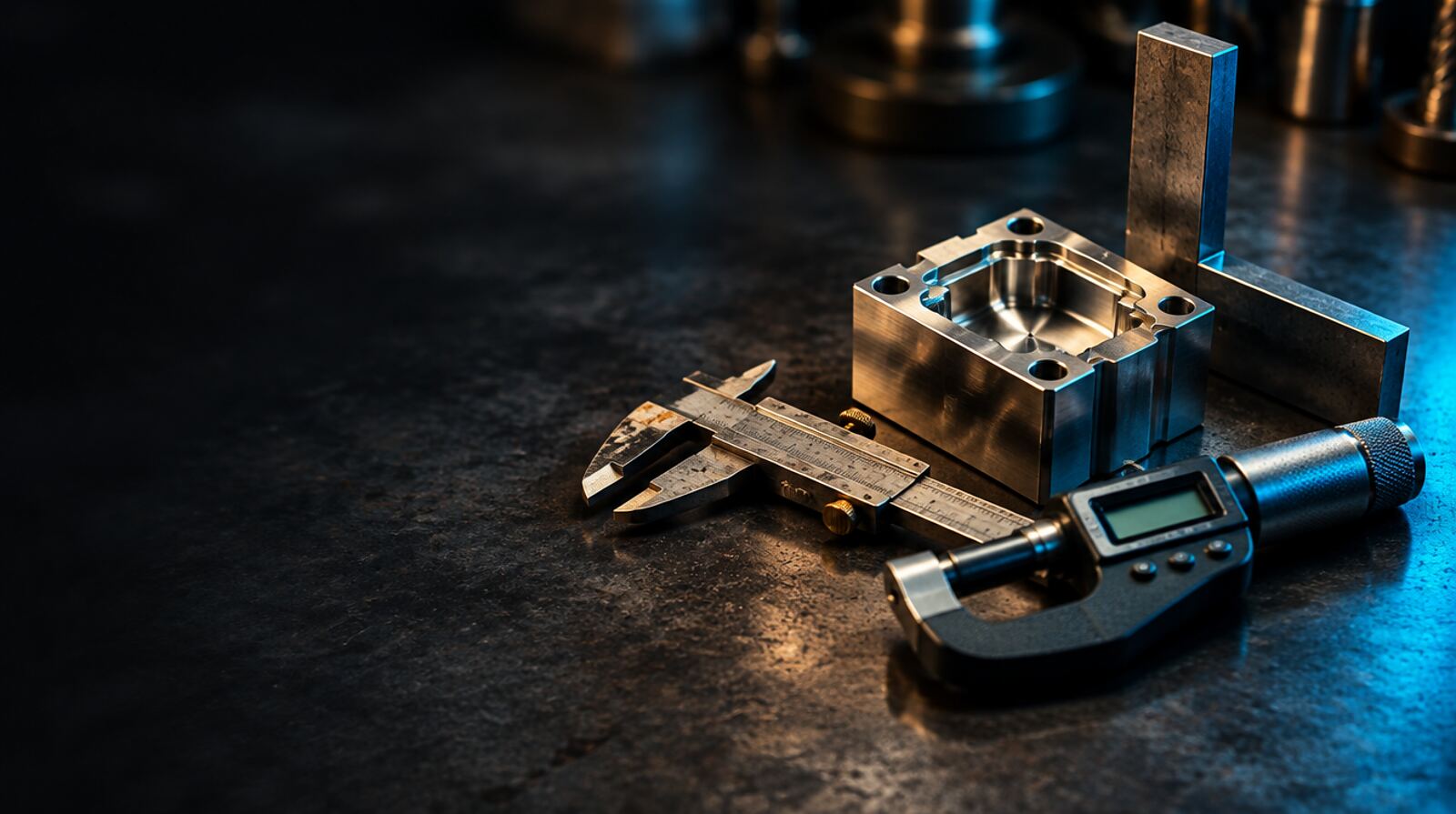
Why Mignon
Founded in 1980 by Werner Peiger and Heinz Wostmann, Mignon Tools & Dies built its name making and maintaining high-precision moulds and dies for South African packaging and engineering manufacturers. That same discipline now goes into every part we machine, repair or design.
Industries
From mining spares to food-grade change parts and packaging moulds, we understand what is at stake when your equipment stops.
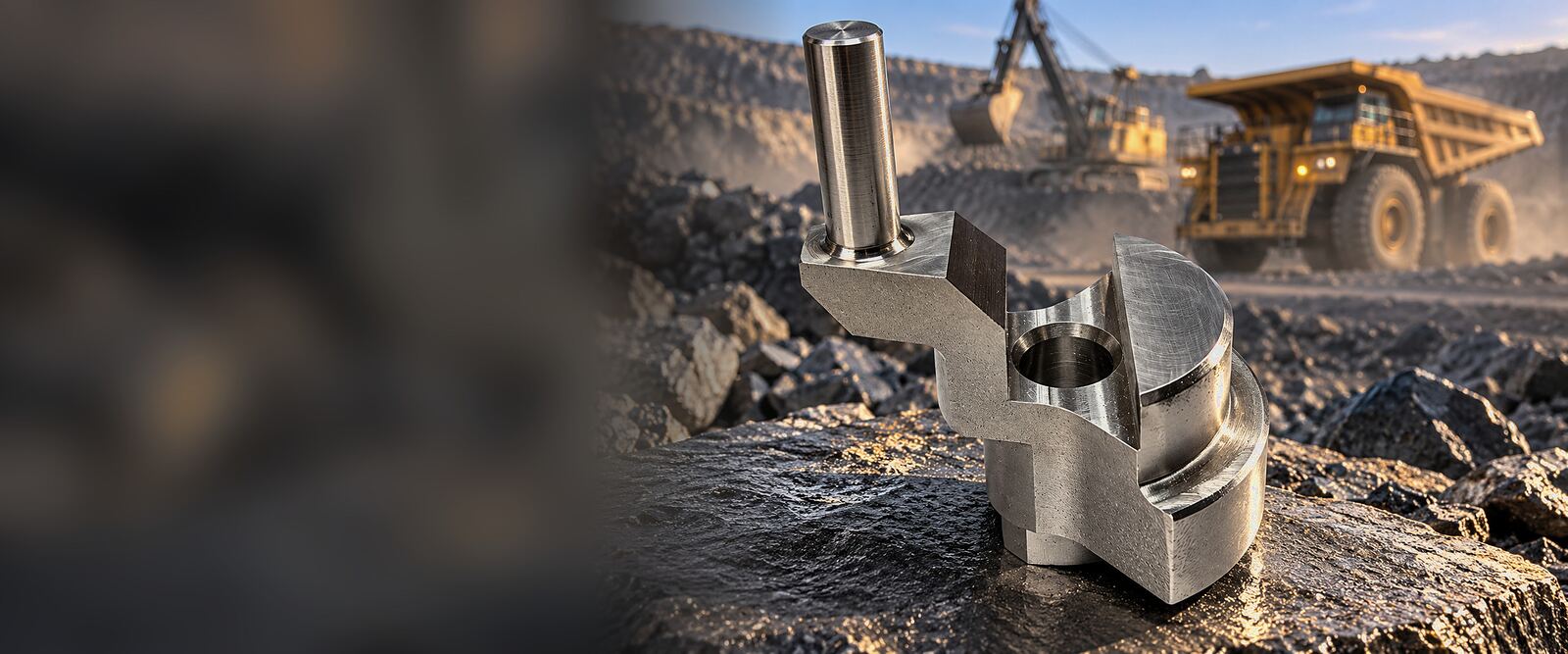
Shafts, bushes, wear parts and pump and valve components machined, repaired or reverse-engineered for mines and mining contractors.
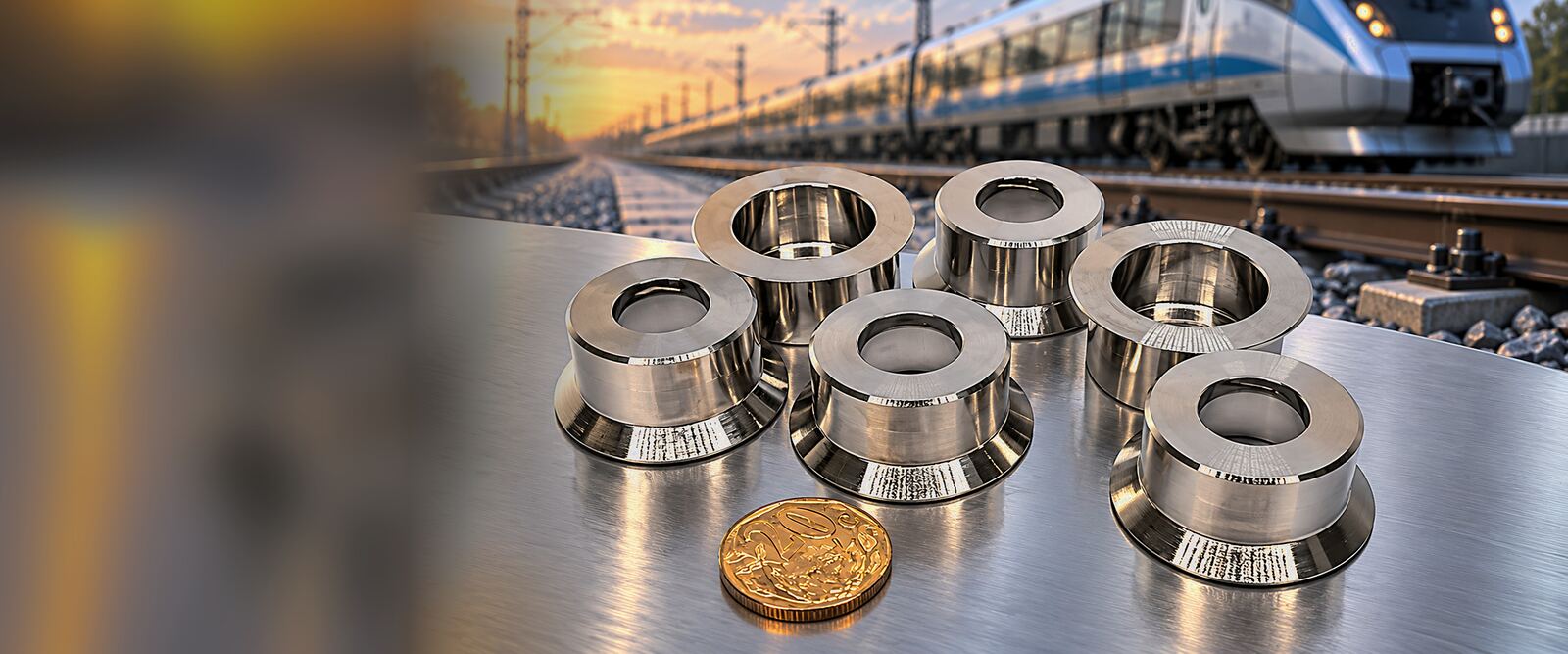
Bushes, pins, brackets and depot jigs and fixtures for rolling stock maintenance, with laser marking for traceability.
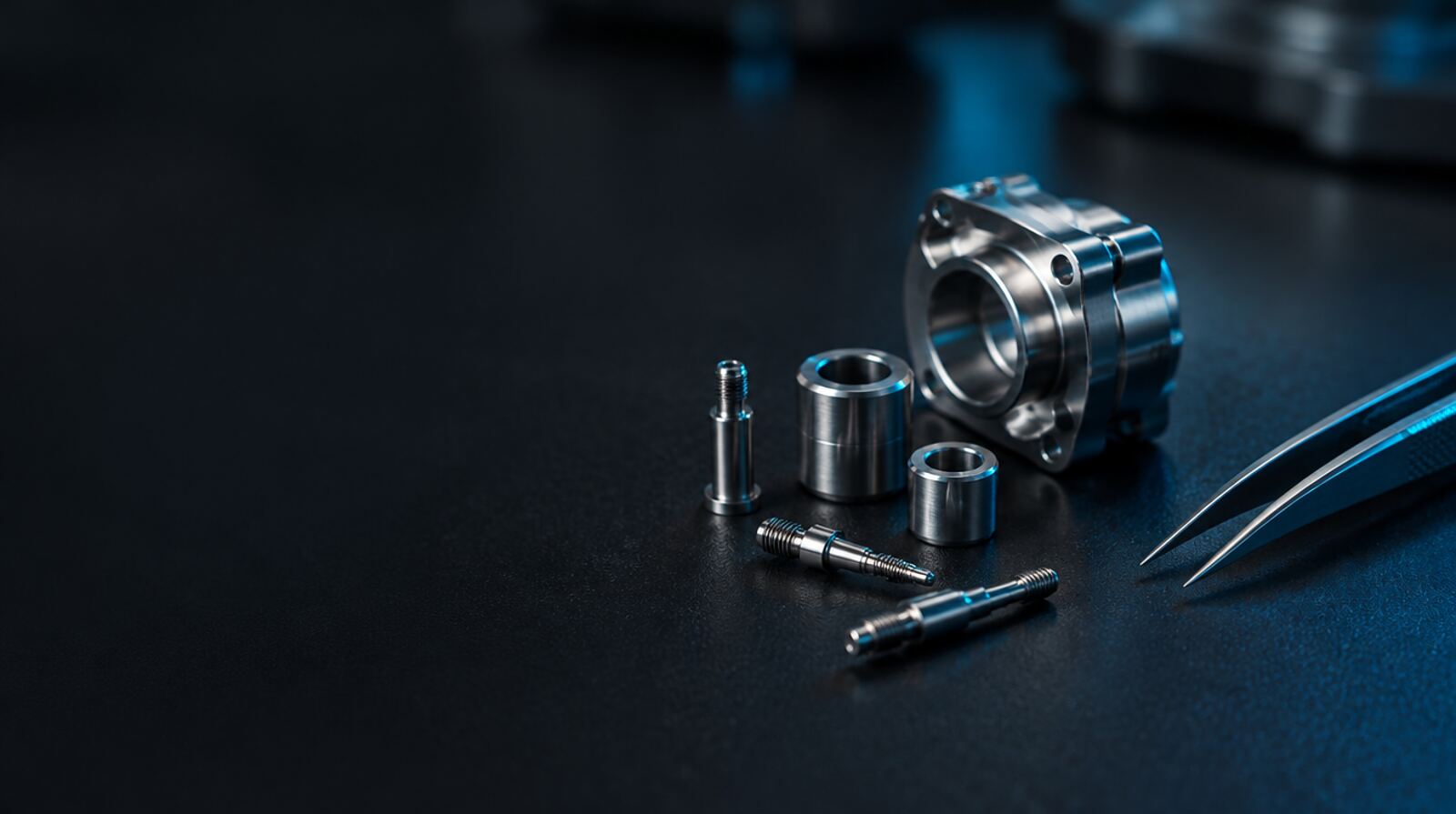
Sharpening and modification of existing tools, plus small machined parts and fixtures, for medical equipment users.
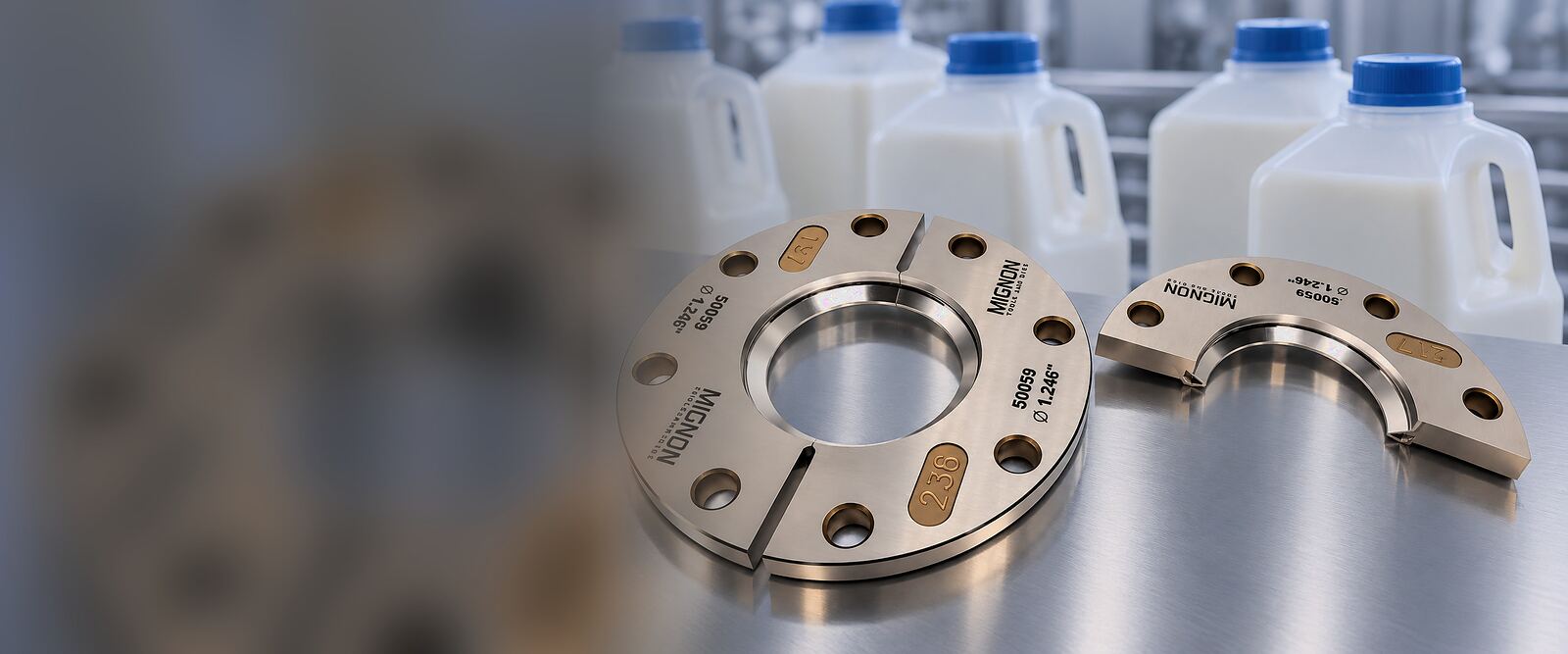
Food-grade steel change parts, cutting blades, thin-wall packaging moulds and blow mould repair, with breakdown support.
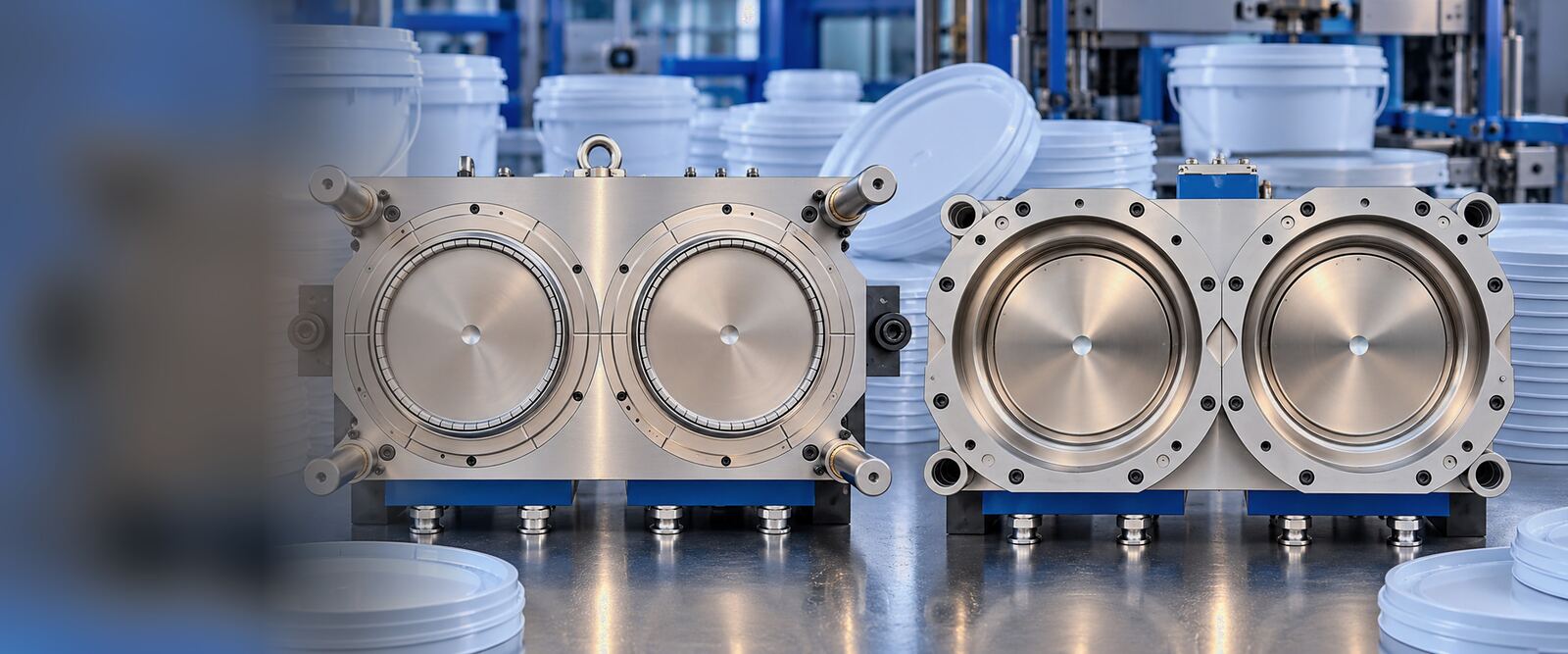
Injection and blow moulds, maintenance programmes and repairs for thin-wall containers, closures, bottles and paint containers.
How we work
You always know where your job stands — and who is working on it.
A drawing, 3D model, photo or the worn part itself — by upload, email or WhatsApp.
A toolmaker checks tolerances, materials and quantities, and suggests practical improvements.
Usually within one working day, with lead time — approve it online in one click.
CAD/CAM, machining, grinding, EDM and finishing in one workshop, with first-off inspection.
Critical dimensions checked and recorded, parts marked if required, then collected or delivered.
Recent work
FAQ
Practical answers to the questions engineers and buyers ask us most.
All FAQsSend a drawing or 3D model, the material, the quantity, any critical tolerances or finishes, and when you need the parts. A STEP file with a dimensioned PDF drawing is ideal. If you only have a sample or a photo, send that and we will tell you what else we need.
Usually within one working day. Complex moulds, large assemblies or jobs that need reverse engineering can take a little longer, and we will tell you when to expect it.
No. One-offs are welcome. We regularly make single replacement parts, prototypes and mould repairs, as well as repeat production batches.
STEP / STP, IGES / IGS, SolidWorks (SLDPRT), Parasolid (X_T), DWG and DXF, and PDF drawings. Photos, hand sketches and physical samples are fine too.
Yes. We measure the original or worn part, model it in 3D CAD, correct the wear and make a new one. You can keep the drawing for future spares.
payment terms, e.g. 30 days from statement for approved accounts; deposit on new moulds; COD for new customers. We send a written quote before any work starts, and agree any change in scope or cost with you first.
Insights
Reverse engineering remakes a part with no drawing by measuring the original, modelling it in 3D CAD, correcting wear back to design intent, identifying the material and producing a drawing, so the part can be manufactured again and re-ordered.
Most blow mould wear on pinch-offs, parting lines, cavity edges and neck inserts can be repaired by micro welding, re-machining and re-polishing. Replacement makes sense when sealing faces or threads are badly worn, damage recurs, or the repair would cost more downtime than a new part.
For an accurate machining quote, send a 3D STEP file and a dimensioned 2D PDF drawing, plus the material and condition, quantity and repeat volumes, finish, critical tolerances and required delivery date.
Free, no-obligation quote
Tell us what you need. Attach a drawing, 3D model or photo if you have one — it helps us quote accurately.


