Injection Moulds
High-precision injection moulds for packaging, food, paint and engineering parts — designed, built and maintained in one toolroom.

7 Molekule Street, Chloorkop Ext 1, Kempton Park
Mon–Thu 05:30–15:30 · Fri 05:30–12:00
060 788 1285
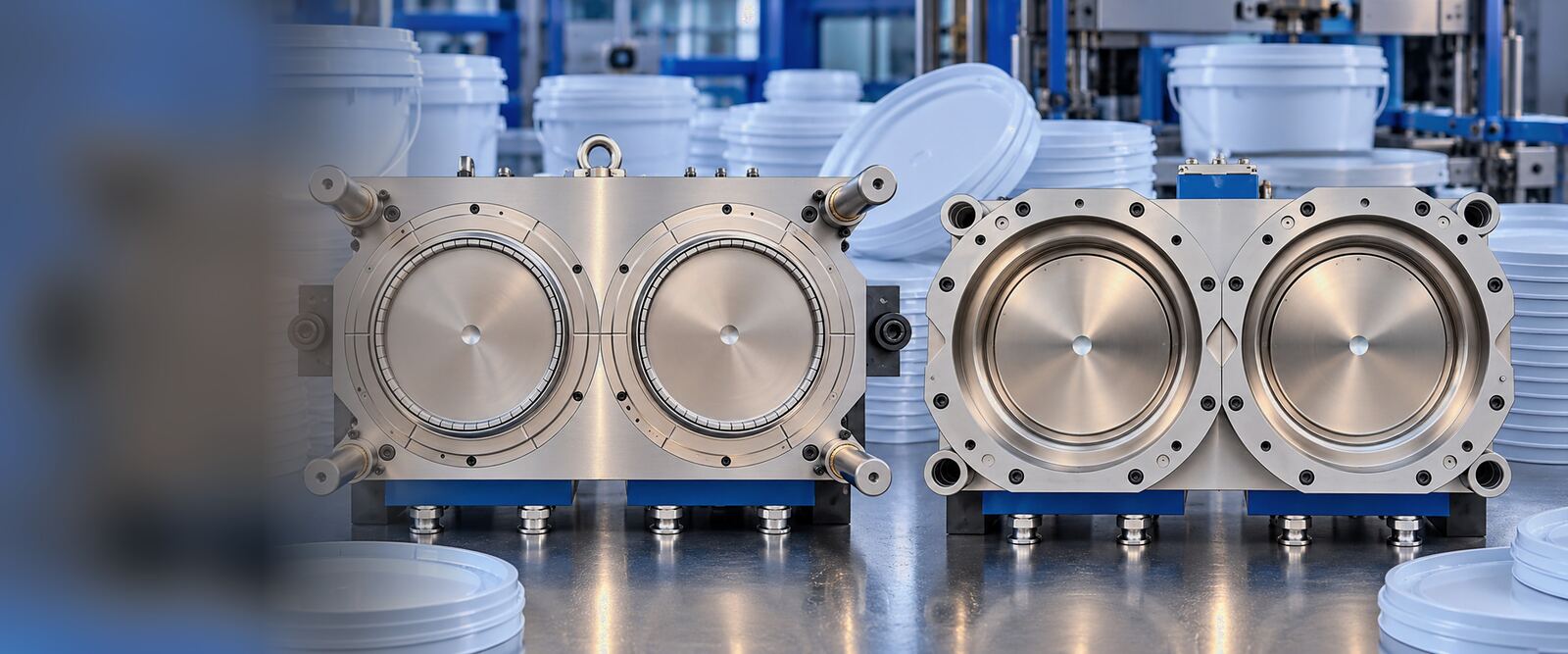
Industries · Consumer Products & Packaging
Injection and blow moulds, maintenance programmes and repairs for thin-wall containers, closures, bottles and paint containers.
Overview
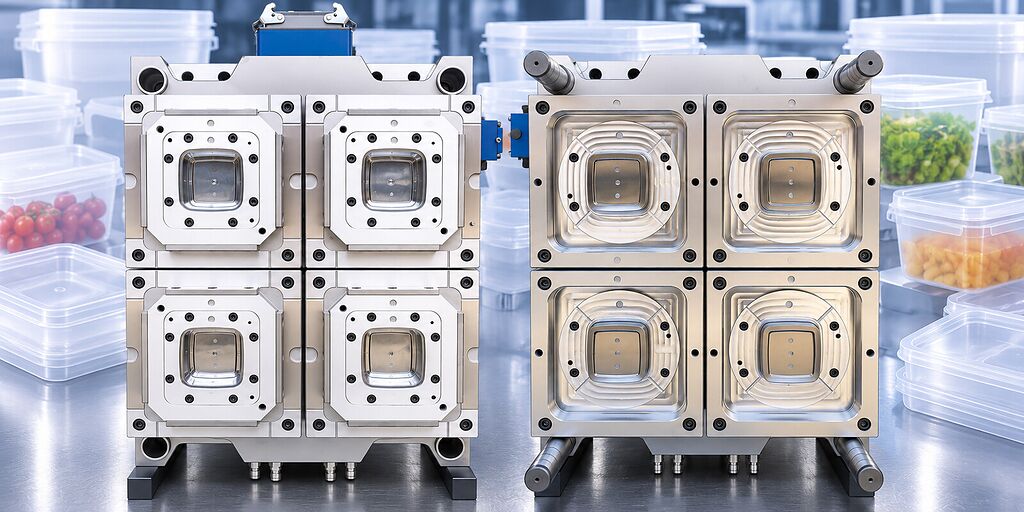
Mignon Tools & Dies designs, builds, repairs and maintains injection and blow moulds for packaging and consumer product manufacturers. Thin-wall moulds for food tubs and lids, blow mould necks and blow pins have been specialities since 1980, and we offer planned mould maintenance programmes so tooling stays in production rather than in the toolroom.
Our work
The challenge
Packaging moulds run millions of cycles. Parting lines, shut-offs, vents and gate areas wear, leading to flash, short shots and dimensional drift.
Thin-wall containers need balanced filling, uniform wall thickness and effective cooling. Small tooling errors show up quickly as rejects.
Lids, caps and bottle necks must seal reliably. Worn neck rings, blow pins and closure cores cause leaks, poor torque and failed seals.
Without planned maintenance, moulds tend to come off the machine only when they fail, usually at the worst possible time.
How we help
High-precision injection moulds for packaging, food, paint and engineering parts — designed, built and maintained in one toolroom.
Repair, refurbishment and preventive maintenance for all types of blow moulds — plus new neck inserts, blow pins and spares made to order.
Complete toolmaking from your first concept and 3D CAD design through to manufacture and sample production — dies, mandrels, blades and precision tool parts.
Complex shapes, detailed cavities and hard-to-machine materials spark eroded with high-quality finishes, tight tolerances and repeatable results.
Small, precise welds that rebuild damaged edges, parting lines and shut-offs on moulds, dies and precision parts — then re-machined to original geometry.
Parts and tooling designed in 3D CAD, reverse engineered from worn samples and developed into drawings that are ready for manufacture.
Why Mignon
Thin-wall food packaging moulds, blow mould necks and blow pins have been part of our work since 1980.
Micro welding, spark eroding, re-machining and polishing bring worn moulds back to specification.
Scheduled mould servicing reduces breakdowns and keeps tooling ready for the next production run.
Inserts, neck rings and blow pins for imported moulds can be reverse-engineered and made locally.
Packaging has been at the centre of Mignon Tools & Dies' work since Werner Peiger and Heinz Wostmann founded the company in 1980. Thin-wall injection moulds for ice cream, butter and yoghurt tubs and lids, blow mould necks and blow pins, extrusion dies and cutting blades have all been made in our Kempton Park toolroom for decades.
Today we design, build, repair and maintain moulds for packaging and consumer product manufacturers, from food containers and closures to bottles and paint containers.
Thin-wall packaging is demanding to mould. Walls are thin, cycle times are short and lids must fit and seal every time. That depends on balanced filling, uniform wall thickness, well-placed cooling and accurately matched cores and cavities. Our injection mould service covers new moulds and the replacement inserts, cores, cavities and stripper rings that keep existing tools in production.
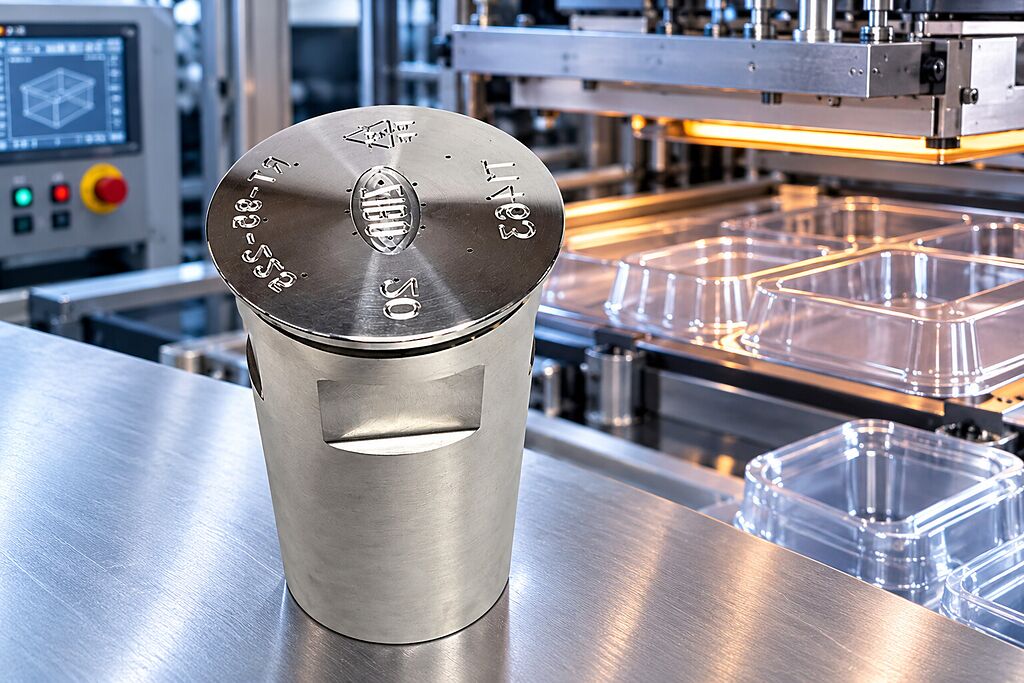
Cavities and fine details are produced by CNC milling, spark eroding (EDM) and precision grinding, then fitted and polished by experienced toolmakers. Cavity numbers and date inserts can be laser-marked in-house.
Steel selection matters too. Pre-hardened P20 or 2316 stainless mould steel suits many cavity plates, while hardened grades such as H13 are used for inserts and shut-offs that see the most wear. Where products or cleaning conditions are corrosive, stainless mould steels reduce rust in cooling channels and on cavity surfaces. We are happy to advise on the right steel for the expected production volume.
For bottles and hollow containers, the neck is where precision matters most. Neck rings and blow pins define the thread and sealing surfaces that the closure relies on, and wear here quickly causes leaks and poor cap torque. We make replacement neck rings and blow pins and offer full blow mould repair and refurbishment, including weld repair of damaged pinch-offs and parting lines, re-venting and polishing.
The most expensive mould failure is the one that happens mid-run. A planned maintenance programme brings each mould into the toolroom on a schedule based on cycles or production hours. It is stripped, cleaned and inspected, and worn components are repaired before they cause defects. Typical work includes:
We agree the scope and schedule with your production team so maintenance fits around your planning.
Many packaging moulds in South Africa were built overseas or by toolmakers who are no longer trading. When a component wears out, our CAD design and reverse engineering service measures it and produces a model and drawing, so a replacement can be made locally and future spares are quicker.
For food and beverage producers who use these containers, see our food and beverage page. To discuss a new mould, a repair or a maintenance programme, send us the part, the mould details or a drawing.
FAQ
Yes. We design and build injection moulds for packaging and consumer products, with a particular history in thin-wall moulds for food tubs and lids. We also make replacement inserts, cores and cavities for existing moulds.
Yes. We repair and refurbish blow moulds for bottles and containers, including weld repair of damaged pinch-offs and parting lines, re-machining, venting and polishing, and we make replacement neck rings and blow pins.
A planned schedule of servicing based on cycles or production hours. Moulds are stripped, cleaned, inspected and worn components repaired or replaced before they cause defects or breakdowns. We agree the schedule and scope with you based on how each mould runs.
Yes. Much of our repair work is on moulds built elsewhere, including imported tooling. Where drawings are not available, we measure and model the components before remaking them.
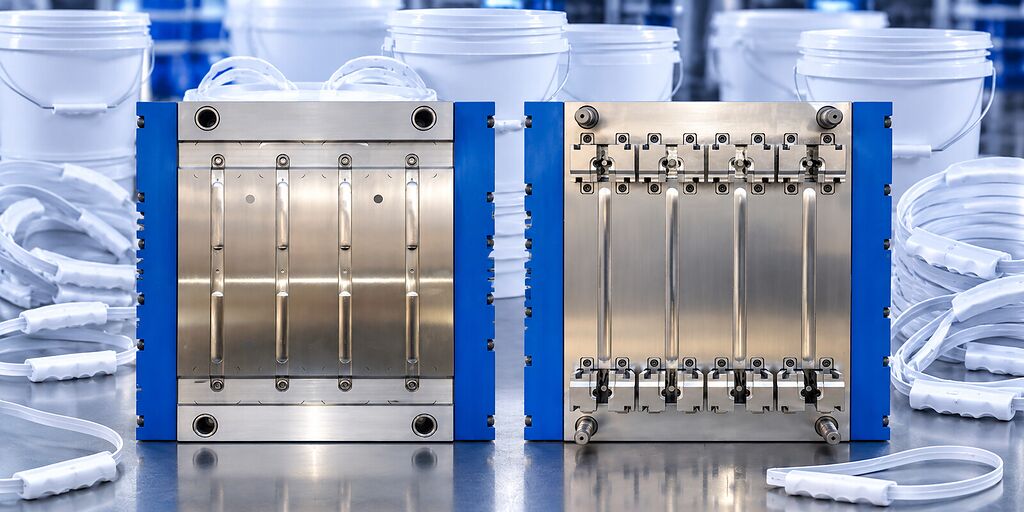
Yes. We build and maintain moulds and components for closures, lids and containers, including paint containers, where lid fit and sealing performance depend on accurate tooling.
It depends on the damage, but we prioritise moulds that have stopped production. Call or WhatsApp us on 060 788 1285 to arrange an assessment.
Free, no-obligation quote
Tell us what you need. Attach a drawing, 3D model or photo if you have one — it helps us quote accurately.
Other industries