One roof, fewer hand-offs
Most precision parts need more than one process. A mould insert might be milled, hardened, ground, spark eroded, polished and engraved before it is ready. If each of those steps happens at a different supplier, every hand-off adds transport, queuing time and another chance for a datum to be lost or a dimension to drift.
At Mignon Tools & Dies those processes sit in one workshop in Chloorkop, Kempton Park. The toolmaker who planned the first operation can walk the part to the grinder, check it, and pass it to the spark eroder. When something needs adjusting, the decision is made on the spot by people who understand the whole job.
That brings practical benefits:
- Shorter lead times. Parts do not wait in other suppliers' queues between operations.
- Consistent datums. Fixturing and reference faces are planned once, for every process, so features line up.
- Single responsibility. One supplier is accountable for the finished part, not just one step of it.
- Better repairs. Worn moulds and dies can be stripped, welded, re-machined, ground and re-engraved without leaving the building.
- Confidentiality. Your drawings and tooling stay with one company.
How the equipment works together
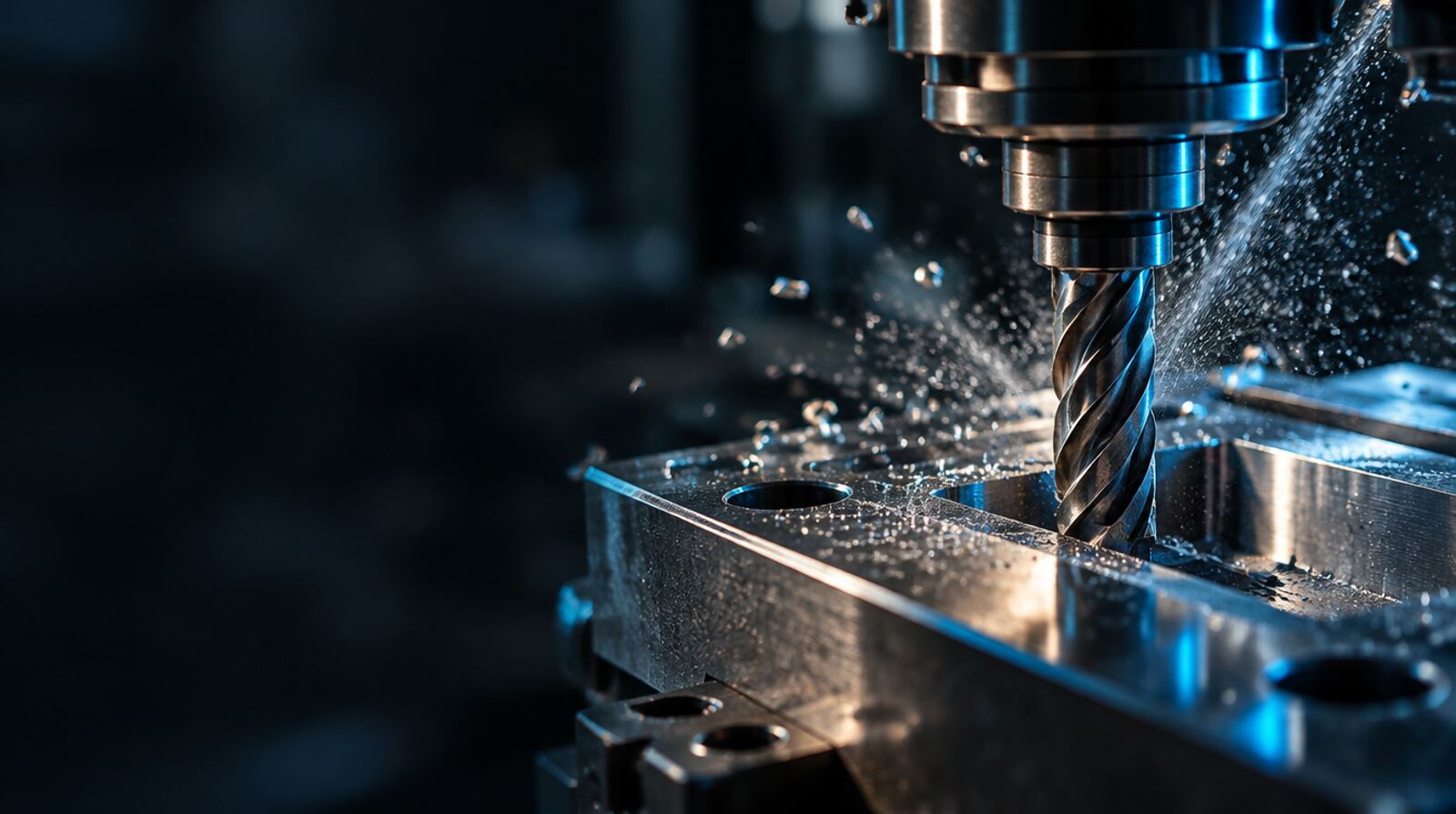
CNC machining centres produce mould plates, cavities, cores, inserts and general components from a CAD model, with toolpaths programmed and checked in-house before cutting.
CNC and conventional lathes handle shafts, bushes, pins, rings and round mould parts, from single repair items to repeat batches.
Surface and universal grinding brings hardened parts to final size, flatness and finish. Our large surface grinder handles full-size mould plates and bolsters on a 1000 × 600 mm table. Our universal grinder grinds outside diameters up to 300 mm and bores down to 6 mm.
Spark eroding (EDM) creates sharp internal corners, deep narrow ribs and textured details in hardened steel that cutters cannot reach.
Micro welding adds material exactly where it is needed to repair damaged cavities, parting lines and edges, so a worn tool can be re-machined instead of replaced.
Laser engraving marks part numbers, logos, cavity numbers, date codes and serials directly onto metal and many plastics.
Inspection and measurement take place throughout, from first-off checks to final inspection, so problems are found at the machine and not at your plant.
CAD/CAM connects it all: we model parts from drawings, 3D files or worn samples, design moulds and program the CNC machines.
Materials and quantities
We machine tool and die steels, engineering steels, stainless steels, aluminium, brass, bronze, copper alloys and engineering plastics. We can source material to your specification or machine stock you supply. Heat treatment, coating and plating are arranged where required.
Quantities range from a single prototype or urgent replacement part to repeat production batches with proven programs and dedicated fixtures.
How to send us work
- Send what you have. A 3D model (STEP or IGES) with a PDF drawing is ideal. A DWG or DXF, a hand sketch, photos or the worn part itself are also fine.
- Tell us the essentials. Material, quantity, critical tolerances, finish or heat treatment, and when you need the parts.
- Get a quote. We review the job and usually come back within one working day, with suggestions if a small change would save time or money.
- Production and inspection. Once approved, we plan the process, make the parts and inspect them before dispatch.
Upload a drawing for a quote, email us, or call or WhatsApp 060 788 1285. You are also welcome to bring samples to the workshop during opening hours.